


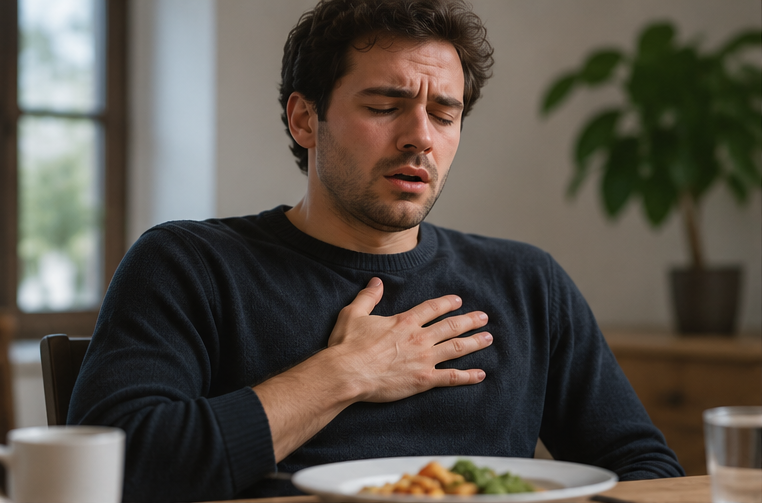
Eating is not supposed to leave you winded. So it is unsettling to finish a meal and notice that breathing takes more effort, the chest feels tight, or you need to sit upright and wait for it to pass.
The link between a full stomach and the lungs is closer than most people realize. The two share a boundary, the diaphragm, and several common conditions take advantage of that.
This guide explains the main reasons for shortness of breath after eating, how to tell a minor cause from a serious one, practical ways to ease it, and when the symptom needs medical attention.
Quick answer: Shortness of breath after eating is most often caused by a full stomach pressing on the diaphragm, acid reflux, a hiatal hernia, or an existing lung condition such as COPD or asthma. Less commonly it reflects heart disease or a food allergy. Sudden breathing difficulty with hives, swelling, or chest pain is an emergency.
Key Takeaways
- A large meal pushes the stomach up against the diaphragm, leaving the lungs less room to expand.
- Acid reflux can irritate the airways and cause coughing, wheezing, and breathlessness.
- People with COPD are especially prone to breathlessness at mealtimes.
- Smaller meals, eating slowly, and sitting upright help most causes.
- Trouble breathing within minutes of eating, with hives or throat tightness, may be anaphylaxis. Call 911.
Why do you get short of breath after eating?
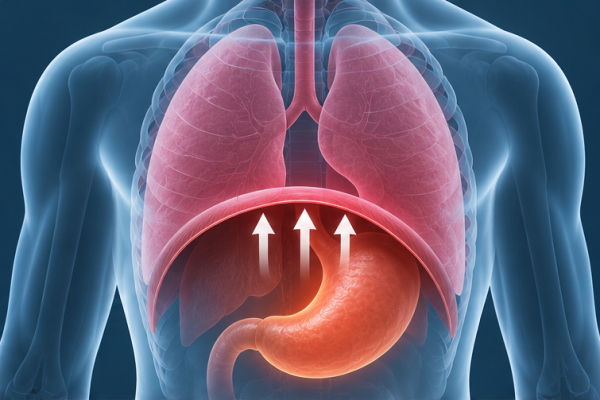
You can get short of breath after eating because a full stomach limits how far the diaphragm can move downward, reducing the space the lungs have to fill. Digestion also demands extra blood flow and oxygen. In people with lung, heart, or reflux conditions, that added strain is enough to cause noticeable breathlessness.
The diaphragm is a dome-shaped muscle beneath the lungs and directly above the stomach. When you inhale, it flattens and moves down. A stomach stretched by a large meal, carbonated drinks, or gas gets in the way.
For most healthy people, this produces at most a mild sense of fullness. It becomes a real symptom when something else is already limiting breathing reserve.
The most common contributing causes:
- Overeating or eating quickly. More volume, more swallowed air, more pressure.
- Gastroesophageal reflux. Acid irritates the esophagus and sometimes the airways.
- Hiatal hernia. Part of the stomach sits above the diaphragm.
- COPD and asthma. Less breathing reserve to begin with.
- Heart conditions. Reduced ability to meet the extra demand of digestion.
- Excess abdominal weight. Adds pressure against the diaphragm at all times.
- Food allergy. An immune reaction affecting the airways.
Can acid reflux or a hiatal hernia cause trouble breathing after eating?
Acid reflux and hiatal hernia are common causes of trouble breathing after eating. Refluxed stomach acid can irritate the throat and airways, triggering cough, wheezing, and a tight chest. A hiatal hernia lets part of the stomach push through the diaphragm, which worsens reflux and can press on the chest.
The National Institute of Diabetes and Digestive and Kidney Diseases lists heartburn and regurgitation as the main symptoms of gastroesophageal reflux disease, along with chest pain, nausea, trouble swallowing, chronic cough, and hoarseness.
Reflux affects breathing in two ways. Small amounts of acid can reach the throat and be inhaled into the airways. Acid in the lower esophagus can also trigger a reflex that narrows the airways. Either can make asthma harder to control.
MedlinePlus describes a hiatal hernia as a condition in which the upper part of the stomach bulges through an opening in the diaphragm. It becomes more common after age 50, and symptoms can include heartburn, dry cough, and breathing problems.
Clues that reflux is involved:
- Symptoms are worse after large, fatty, or spicy meals
- Lying down or bending over makes them worse
- A sour taste or burning behind the breastbone
- A chronic cough or hoarse voice, especially in the morning
Why is shortness of breath after meals common with COPD?
Shortness of breath after meals is common with COPD because the lungs are already overinflated and the diaphragm is flattened, leaving little room to spare. A full stomach crowds the diaphragm further. Chewing, swallowing, and digesting also use energy and oxygen that people with COPD have less of.
The American Lung Association explains that people with COPD need far more energy to breathe than those without it, and recommends eating four to six smaller meals a day so the diaphragm can move more freely.
- Eat slowly and take smaller bites
- Sit upright while eating
- Rest before meals to conserve energy
- Avoid foods that cause gas or bloating, which make breathing more difficult
- Drink fluids between meals if liquids at mealtimes cause early fullness
This matters beyond comfort. People who become breathless when eating often start eating less, lose weight and muscle, and grow weaker. Maintaining nutrition is part of COPD treatment.
Asthma follows a related pattern. Reflux is a recognized trigger, and some people notice wheezing after meals for that reason.
Schedule Your Primary Care Visit Today!
If you’re due for a checkup or need trusted medical care, we’re here to help. Call (305) 274-8779 or book your appointment online today with Tricord Medical in Miami.
Could shortness of breath after eating be a heart problem?
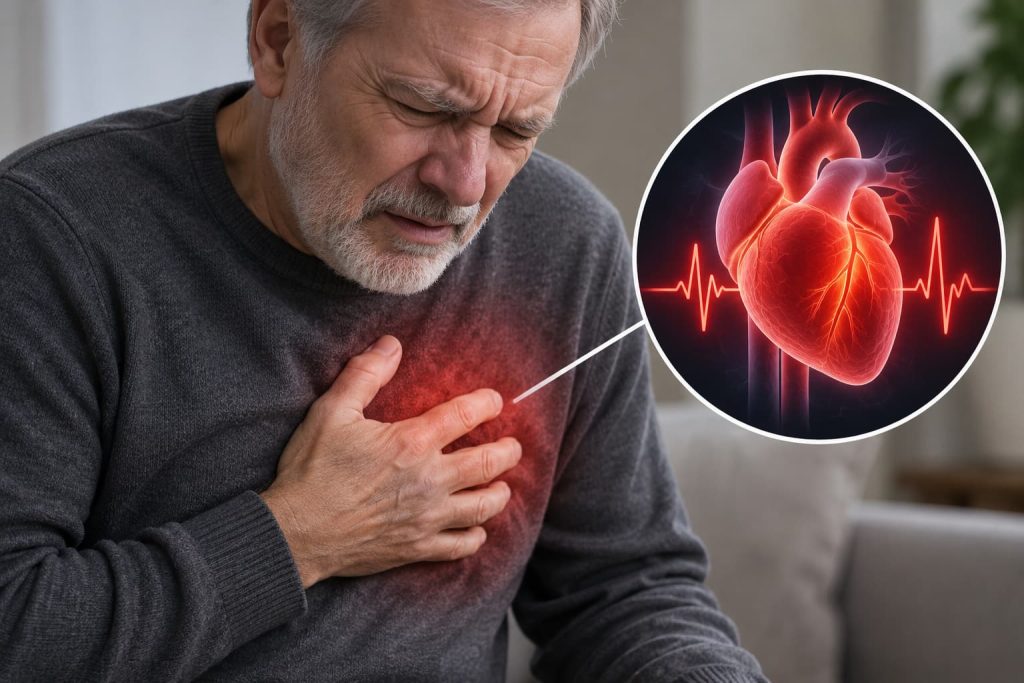
Shortness of breath after eating can be related to the heart. Heart failure reduces the heart’s ability to meet the extra circulation that digestion requires, and fluid in the lungs makes breathing harder. Some people experience angina or an irregular heartbeat after heavy meals. Chest pressure with breathlessness requires emergency evaluation.
The American Heart Association lists shortness of breath, swelling in the feet and legs, fatigue, and a feeling of being full or sick to your stomach among the warning signs of heart failure.
Signs that suggest a cardiac cause:
- Breathlessness with exertion as well as after meals
- Waking at night short of breath, or needing extra pillows
- Swollen ankles or rapid weight gain
- Chest pressure, tightness, or pain spreading to the arm or jaw
- A racing or irregular heartbeat
A large meal diverts blood to the digestive system and raises heart rate. In a person with narrowed coronary arteries, that can bring on chest discomfort and breathlessness in the hour after eating.
Any combination of chest pain or pressure, shortness of breath, sweating, or nausea should be treated as a possible heart attack. Call 911.
When is trouble breathing after eating an allergic reaction?
Trouble breathing after eating may be an allergic reaction if it begins within minutes to two hours of a meal and comes with hives, swelling of the lips or throat, vomiting, dizziness, or a feeling of doom. This is anaphylaxis, a life-threatening emergency that requires epinephrine and a 911 call.
The American College of Allergy, Asthma and Immunology describes anaphylaxis as a rare but severe allergic reaction that can occur suddenly, worsen quickly, and be deadly. Common food triggers include peanuts, tree nuts, shellfish, eggs, dairy, and sesame.
How it differs from other causes:
- Speed. Symptoms escalate over minutes, not hours.
- Skin. Hives, flushing, or itching are usually present.
- Throat. Tightness, hoarseness, or difficulty swallowing.
- Whole body. Dizziness, fainting, vomiting, or abdominal cramps.
Adults can develop new food allergies, with shellfish among the most common. A previous mild reaction does not predict the next one.
If epinephrine is available, use it at once and call 911. Do not wait to see whether symptoms settle.
How can you relieve shortness of breath after eating?
Relieve shortness of breath after eating by having smaller, more frequent meals, eating slowly, sitting upright during and after meals, and avoiding lying down for about three hours. Limiting carbonated drinks, gas-producing foods, and large fatty meals also helps. Treating underlying reflux or lung disease addresses the cause.
Habits that reduce symptoms:
- Shrink the portion. Five or six small meals put less pressure on the diaphragm than three large ones.
- Slow down. Put the fork down between bites and chew thoroughly.
- Stay upright. Sit straight while eating and remain upright afterward. A short, gentle walk can help.
- Time your last meal. The NIDDK advises eating at least three hours before lying down to improve reflux symptoms.
- Know your triggers. High-fat foods, spicy foods, chocolate, mint, coffee, alcohol, and acidic foods commonly worsen reflux.
- Cut the bubbles. Carbonated drinks add gas and stomach volume.
- Loosen up. Tight belts and waistbands increase abdominal pressure.
- Use prescribed inhalers correctly. If you have asthma or COPD, ask whether using a bronchodilator before meals is appropriate.
Weight loss, when needed, reduces pressure on both the stomach and the diaphragm and improves reflux.

When should you see a doctor?
See a doctor if shortness of breath after eating happens repeatedly, is getting worse, or comes with heartburn, cough, wheezing, swelling in the legs, or unintended weight loss. Seek emergency care for sudden severe breathlessness, chest pain or pressure, hives or swelling, bluish lips, or fainting.
Recurring breathlessness after meals deserves an explanation. An evaluation may include listening to the heart and lungs, checking oxygen levels, an electrocardiogram, a chest X-ray, breathing tests, and blood work, depending on what the history suggests.
Tricord Medical Group offers asthma and COPD management in Miami and an in-office electrocardiogram when a heart cause needs to be checked. Same-day acute care services are available for symptoms that are new but not an emergency.
Final Thoughts
Breathlessness after a meal usually comes down to pressure and reserve. A full stomach presses on the diaphragm, and anything that already limits breathing, including reflux, a hiatal hernia, COPD, asthma, extra weight, or heart disease, makes that pressure noticeable.
Smaller meals, slower eating, and staying upright help in most cases. When the symptom keeps returning, the right step is to find out which underlying cause is responsible.
For breathing symptoms that recur after eating, contact Tricord Medical Group in Miami at (305) 274-8779 or schedule an appointment online.
Frequently Asked Questions
Is it normal to feel short of breath after a big meal?
A mild feeling of fullness and slightly shallower breathing after a very large meal is common and usually harmless. It should pass within an hour or so. Breathlessness that is pronounced, happens after normal-sized meals, or occurs regularly is not typical and should be evaluated.
Can anxiety cause shortness of breath after eating?
Anxiety can cause shortness of breath at any time, including after meals. Some people become anxious about choking or about digestive symptoms, which leads to rapid, shallow breathing. Because the symptom overlaps with reflux, lung, and heart conditions, those should be considered before attributing it to anxiety.
Can bloating and gas make it hard to breathe?
Bloating and gas can make breathing feel harder. Trapped gas expands the stomach and intestines, pushing upward on the diaphragm and limiting how deeply the lungs can fill. Carbonated drinks, eating quickly, and gas-producing foods are common contributors. Relief usually follows once the gas passes.
Why do I wheeze after eating?
Wheezing after eating most often results from acid reflux irritating the airways or from a food allergy. People with asthma are particularly susceptible to reflux-triggered wheezing. Wheezing that starts suddenly with hives, swelling, or throat tightness can signal anaphylaxis and needs emergency treatment.
Does drinking water with meals make breathlessness worse?
Drinking large amounts with a meal adds volume to the stomach and can increase the sense of fullness and breathlessness, particularly in people with COPD. Sipping small amounts is usually fine. If liquids cause early fullness, try drinking most of your fluids between meals instead.
Why Preventative Primary Care in Miami Matters
Preventative primary care helps you stay ahead of illness with regular checkups and early detection.
Book an Appointment
Schedule an appointment with our trusted Miami primary care doctors