




Feeling tired after meals, struggling to lose weight, or noticing changes in your skin can be easy to brush off as stress or aging. Sometimes, though, these everyday complaints point to something happening beneath the surface: insulin resistance. It develops quietly, often years before blood sugar problems ever show up on a standard test. The good news is that the body usually gives clues. Learning to recognize the signs of insulin resistance can help you catch it early, when it responds best to changes you can actually make. This article walks through what insulin resistance is, the signs and symptoms to watch for in women and men, why it can hide behind normal lab results, and when it’s time to get evaluated.
Understanding What Insulin Resistance Is
Insulin is a hormone that helps move sugar from your bloodstream into your cells, where it’s used for energy. When everything works normally, a small amount of insulin does the job efficiently. With insulin resistance, the system starts to break down. The pancreas makes insulin, but it is ineffective because the body’s cells no longer respond to it the way they should. To compensate, the pancreas pumps out even more insulin to keep blood sugar in a normal range. For a while, this extra effort works, which is exactly why the condition can go unnoticed. Over time, though, the pancreas struggles to keep up, and that’s when blood sugar begins to climb toward prediabetes and type 2 diabetes.
Early Signs of Insulin Resistance to Watch For
Because the body compensates so well at first, an early sign of insulin resistance is often subtle. Many people simply feel a little off without knowing why. Common early signs of insulin resistance include:
- Increased hunger and frequent cravings, especially for carbohydrates and sugar
- Weight gain that settles around the midsection
- Difficulty losing weight despite reasonable effort
- Energy dips after eating
- Dark, velvety patches of skin on the neck, armpits, or groin
- Skin tags
- Brain fog or trouble concentrating
These insulin resistance signs and symptoms tend to develop gradually, so they’re easy to attribute to a busy lifestyle. Noticing several of them together is a reason to pay closer attention.
Insulin Resistance Symptoms in Females
Insulin resistance symptoms in females can show up differently than they do in men, partly because of how the condition interacts with reproductive hormones. The signs of insulin resistance in females often overlap with other common concerns, which can make them easy to overlook. Signs and symptoms of insulin resistance in women may include:
- Irregular or missed menstrual periods
- Difficulty losing weight, particularly around the abdomen
- Unwanted hair growth on the face or body
- Acne or oily skin
- Fatigue and sugar cravings
- Skin darkening around the neck or underarms
There’s also a strong connection between insulin resistance and polycystic ovary syndrome (PCOS). Many women with PCOS have underlying insulin resistance, and addressing one often helps the other.
Symptoms of Insulin Resistance in Men
The symptoms of insulin resistance in men can be just as quiet, and they’re frequently mistaken for normal aging. Belly fat that won’t budge, low energy, and a gradual decline in fitness are common complaints that may have insulin resistance at their root. In men, watch for:
- Increased fat around the waist
- Fatigue and reduced stamina
- Low libido or erectile difficulties
- Skin changes such as darkened patches or skin tags
- High blood pressure or unfavorable cholesterol readings
Because these changes happen slowly, men often don’t connect them to a single cause. Recognizing the pattern is the first step toward getting it checked.

Schedule Your Primary Care Visit Today!
If you’re due for a checkup or need trusted medical care, we’re here to help. Call (305) 274-8779 or book your appointment online today with Tricord Medical in Miami.
Fatigue and What Insulin Resistance Feels Like
One of the most common questions is whether insulin resistance makes you tired. For many people, the answer is yes. Insulin resistance fatigue often shows up as an energy crash an hour or two after eating, especially after meals high in refined carbs. What insulin resistance feels like varies from person to person, but a typical pattern includes feeling sluggish, foggy, and hungry again soon after eating. Some people describe needing a nap in the afternoon or relying on caffeine and snacks just to get through the day. This happens because the body’s energy delivery system isn’t running smoothly. Sugar lingers in the bloodstream instead of fueling your cells efficiently, leaving you drained even when you’ve eaten enough.
Insulin Resistance With a Normal A1c
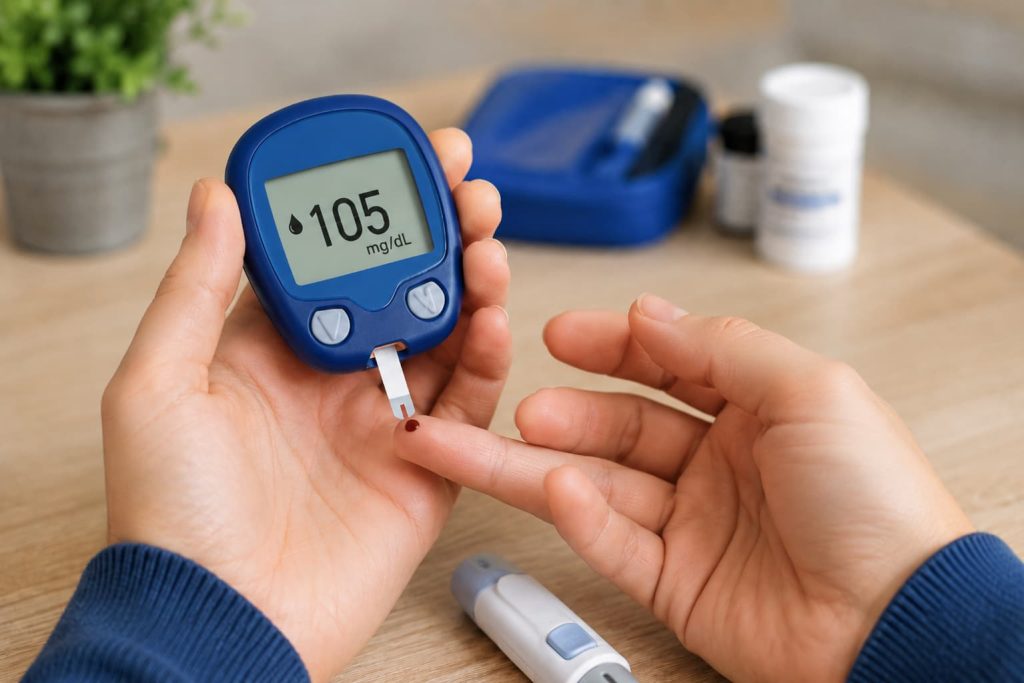
A frequent point of confusion is whether you can have insulin resistance with a normal A1c. You can. The A1c test reflects average blood sugar over about three months, and in the early stages, your pancreas works overtime to keep blood sugar normal. That means insulin resistance with a normal A1c is not only possible but common. Standard blood sugar tests may look fine for years while insulin levels are quietly elevated behind the scenes. This is why relying on a single normal result can be misleading. A provider who suspects insulin resistance may look at fasting insulin, a calculation called HOMA-IR, triglyceride and cholesterol patterns, waist measurement, and other clues rather than blood sugar alone.
The Link Between Insulin Resistance and Type 2 Diabetes
Insulin resistance is one of the main drivers behind type 2 diabetes. In the early phase, the pancreas keeps blood sugar controlled by producing extra insulin. The problem builds when this can’t last forever. Eventually the pancreas can’t make enough insulin to overcome the resistance, and that’s the stage where people describe type 2 diabetes as the insulin not working. Blood sugar rises, first into the prediabetes range and then into diabetes if nothing changes. The encouraging part of this timeline is that insulin resistance is often reversible or improvable, especially when addressed before diabetes sets in. Catching it early genuinely changes the outlook.
Insulin Resistance Before and After Lifestyle Changes
People often want to know what insulin resistance looks like before and after making changes. The contrast can be significant. Before, many feel fatigued, struggle with stubborn weight, and battle constant cravings. After consistent changes, energy frequently improves, weight becomes easier to manage, and lab markers move in a healthier direction. The most effective changes are usually straightforward, even if they take effort:
- Building meals around protein, fiber, and whole foods while limiting refined carbs and
sugar
- Moving regularly, including both walking and strength training
- Prioritizing sleep, since poor sleep worsens insulin resistance
- Managing stress, which affects blood sugar and hormones
- Losing even a modest amount of weight when appropriate
Results vary from person to person, and a tailored plan works better than a one size fits all approach. That’s where professional guidance helps.
When Medical Evaluation Matters

A primary care visit can include the right lab workIf you recognize several of these signs in yourself, the most useful next step is an evaluation rather than guesswork. Insulin resistance can’t be reliably diagnosed at home, and its symptoms overlap with thyroid problems, hormonal conditions, and other issues that deserve to be ruled out. A primary care visit can include the right lab work, a review of your personal and family history, and a clear plan to address what’s found. Because insulin resistance often travels with high blood pressure and unhealthy cholesterol, an evaluation also protects your heart over the long term. Getting checked is especially worthwhile if you have a family history of diabetes, carry extra weight around the middle, or have noticed the skin changes and fatigue described here.
Final Thoughts
Insulin resistance is common, often silent, and very responsive to early action. The signs and symptoms of insulin resistance, from fatigue and cravings to weight gain and skin changes, are easy to dismiss individually but meaningful when they appear together. It can also hide behind a normal A1c, which is why symptoms are worth taking seriously even when routine tests look fine. The key message is hopeful. Identified early, insulin resistance can often be improved or reversed, and doing so lowers your risk of type 2 diabetes and related conditions. If you’ve been wondering whether your symptoms point to insulin resistance, schedule an appointment with the Tricord Medical Group primary care office in Miami for an evaluation and a personalized plan.
Frequently Asked Questions
How can I tell if I am insulin resistant?
You can’t confirm it on your own, but warning signs include fatigue after meals, stubborn weight around the midsection, frequent cravings, and dark patches of skin on the neck or underarms. Because these symptoms overlap with other conditions, the most reliable way to know is a medical evaluation that includes appropriate lab work.
Can you have insulin resistance with a normal A1c?
Yes. In the early stages, the pancreas produces extra insulin to keep blood sugar normal, so your A1c can look fine while insulin resistance is already present. A provider may look at fasting insulin and other markers rather than blood sugar alone.
Does insulin resistance make you tired?
Many people experience insulin resistance fatigue as an energy crash after eating, along with general sluggishness and brain fog, because their cells aren’t using energy efficiently.
Are the signs of insulin resistance different in women and men?
There’s overlap, but some differences exist. In women, insulin resistance may cause irregular periods, unwanted hair growth, and ties to PCOS, while in men it often shows up as abdominal weight gain, low energy, and reduced libido.
Can insulin resistance be reversed?
In many cases it can be improved or reversed, especially when caught early. Changes to diet, physical activity, sleep, and weight can make a meaningful difference. The Tricord Medical Group primary care office in Miami can evaluate your symptoms and help you build a plan that fits your needs.
Why Preventative Primary Care in Miami Matters
Preventative primary care helps you stay ahead of illness with regular checkups and early detection.
Book an Appointment
Schedule an appointment with our trusted Miami primary care doctors