



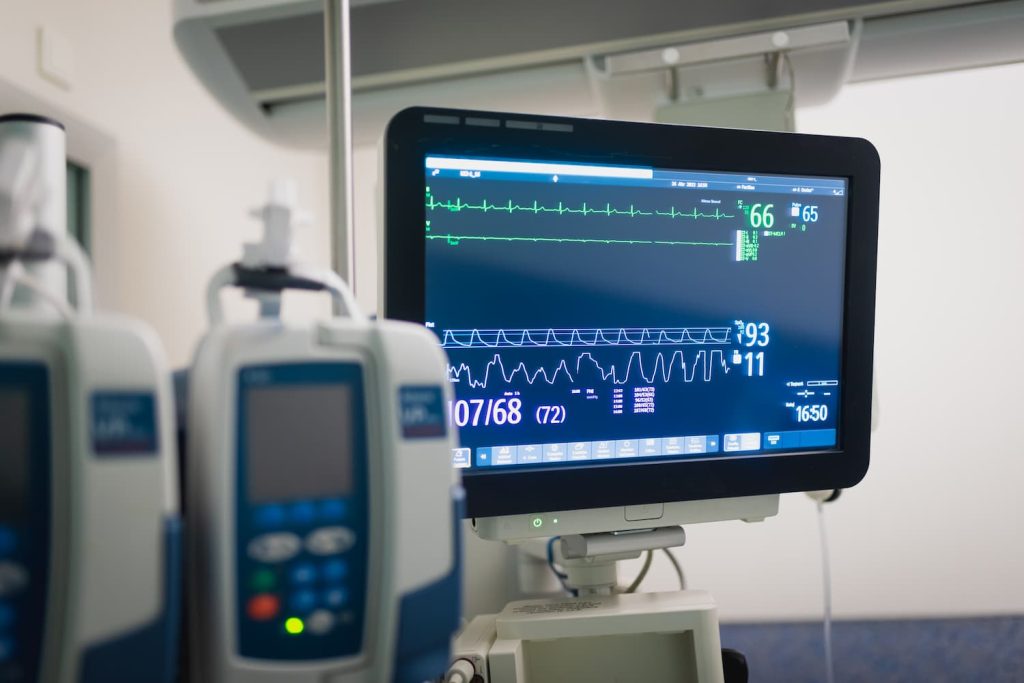
Seeing a hospital monitor for the first time can feel intimidating. The screen may show bright numbers, moving waveforms, alarms, and abbreviations that are not immediately obvious. Learning how to read a hospital monitor starts with one simple idea: the display is designed to help medical staff follow vital sign trends in real time, but it does not replace a full diagnosis or a clinician’s judgment.
For patients and families, understanding the basics can still be very helpful. Once you know what the numbers on hospital monitor screens usually represent, it becomes easier to follow what is happening and to ask better questions during a hospital stay or follow up visit. Most bedside monitors track some combination of heart rate, heart rhythm, oxygen saturation, breathing rate, and blood pressure.
This guide explains the screen in a clear, patient friendly way. It covers the main readings, what the common abbreviations mean, how to follow heart rate and rhythm more confidently, and when an abnormal reading deserves prompt medical attention. It is especially useful for people with heart concerns who want a better understanding of monitor readings before scheduling an appointment with Tricord Medical Group primary care office in Miami, Florida.
Understanding a Hospital Monitor
A bedside hospital monitor is usually showing vital sign information in real time. In many settings, that includes pulse or heart rate, blood pressure, breathing rate, and oxygen level. Some monitors also display a continuous ECG tracing so staff can watch the electrical activity of the heart and look for rhythm changes.
The most helpful way to read the screen is one section at a time. Start by finding the label next to the number. Common labels include HR for heart rate, SpO2 for oxygen saturation, RR for respiratory rate, and BP or NIBP for blood pressure. Looking at the label first prevents a lot of confusion, especially when several values are changing at once.
It also helps to remember that monitors show trends, not just isolated numbers. A brief jump or drop may not mean the same thing as a sustained change. Clinical staff usually interpret the monitor together with symptoms, exam findings, medical history, and confirmatory testing when needed.
What the Numbers on a Hospital Monitor Mean
Understanding the numbers on hospital monitor screens is the first step toward reading them correctly. Each value reflects a different part of how the heart, lungs, and circulation are working.
Heart Rate
Heart rate is usually shown as HR and tells you how many times the heart beats in one minute. MedlinePlus lists a normal resting adult pulse as about 60 to 100 beats per minute, although that range can shift with age, exercise level, medications, illness, pain, stress, and hydration status.
A higher or lower number does not automatically mean danger. For example, anxiety, fever, pain, dehydration, or activity can push the heart rate up, while some heart medications can slow it down. What matters most is whether the number fits the person’s overall condition and whether symptoms such as chest pain, dizziness, fainting, or palpitations are present.
Oxygen Saturation
Oxygen saturation is usually labeled SpO2. MedlinePlus states that a normal oxygen saturation level is generally 95 percent to 100 percent, although acceptable levels may be lower in some people with lung disease or at higher elevations.
This number is useful, but it has limits. Both MedlinePlus and the FDA note that pulse oximeter readings can be affected by poor circulation, cold skin, nail polish, skin pigmentation, skin thickness, and tobacco use. That means an SpO2 number should always be considered together with symptoms and the overall clinical picture.
Respiratory Rate
Respiratory rate is commonly listed as RR and tells you how many breaths a person takes each minute. MedlinePlus lists a typical resting adult breathing rate as about 12 to 18 breaths per minute.
Breathing rate can change quickly with anxiety, fever, pain, lung disease, fluid overload, infection, or heart related problems. Even when the heart rate looks acceptable, an abnormal respiratory rate can be an early sign that someone needs closer attention.
Blood Pressure
Blood pressure may appear as a recent cuff reading or as a value refreshed at set intervals. MedlinePlus notes that a typical adult resting blood pressure range is roughly 90 over 60 to 120 over 80.
As with other numbers, context matters. A reading that is normal for one patient may be too low or too high for another depending on heart disease, kidney disease, infection, pregnancy, medications, or a known history of high or low blood pressure. That is why hospital staff look for patterns and symptoms instead of reacting to a single value alone. This is a clinical inference supported by standard vital sign interpretation and the way MedlinePlus frames normal ranges as general adult ranges, not universal targets.
Reading Heart Rate and Rhythm Correctly
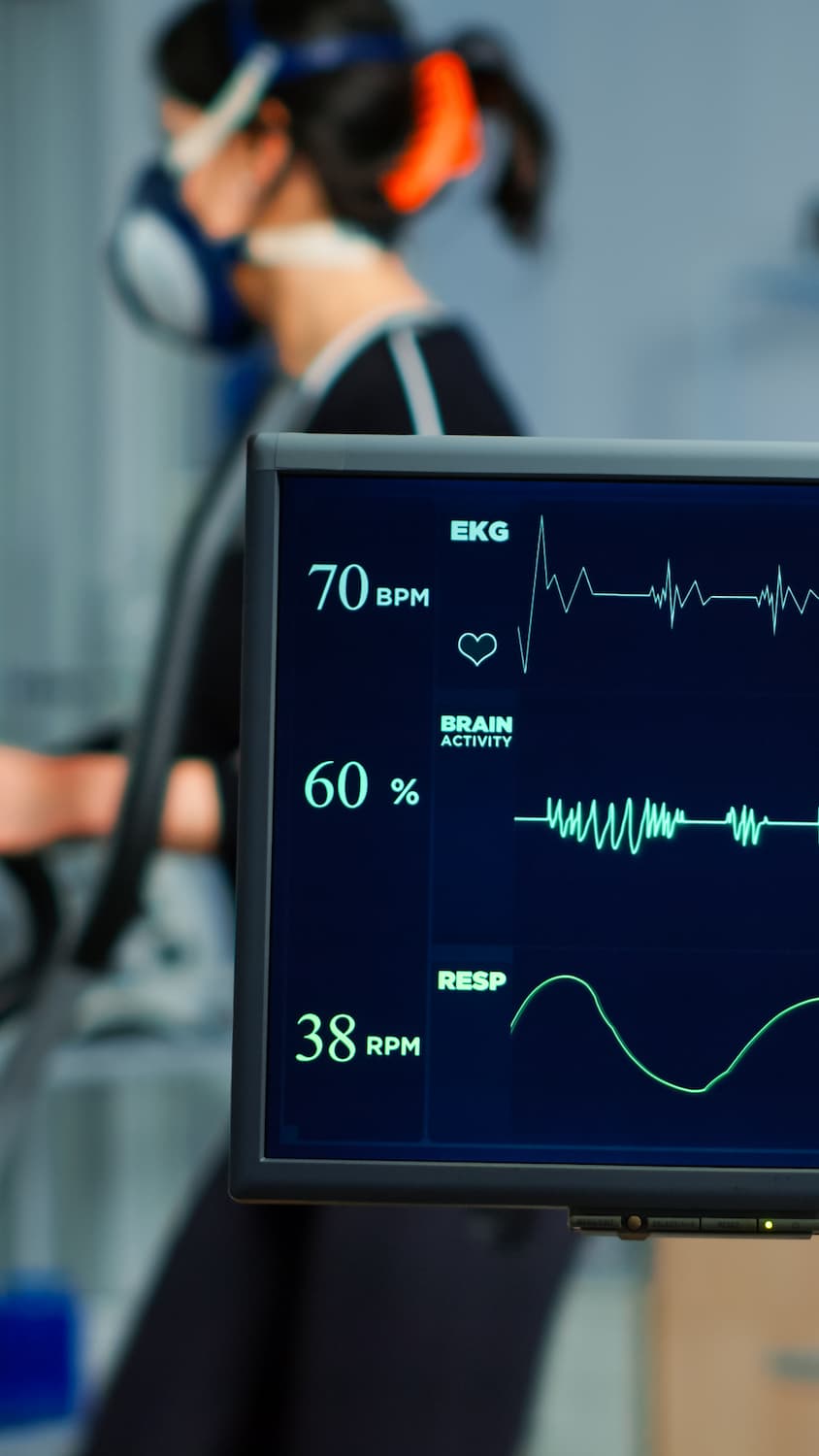
For anyone trying to understand how to read heart rate monitor screens, the most important distinction is the difference between rate and rhythm. The heart rate tells you how fast the heart is beating. The rhythm tells you whether the beats appear steady or irregular.
An ECG or EKG records the heart’s electrical activity. MedlinePlus explains that it can show how fast the heart is beating and whether the rhythm is steady or irregular. It can also help providers look for abnormal heart activity, but even then, a clinician may still need more tests before making a diagnosis.
That is why a bedside tracing should never be treated as a final answer by itself. MedlinePlus notes that a standard EKG is only a snapshot, and NHLBI explains that diagnosing arrhythmias may require additional testing such as blood tests, Holter monitoring, or an implantable loop recorder. In other words, the screen can alert staff to a possible issue, but it does not replace a full evaluation.
A simple way to read a heart rate display more confidently is to use this sequence:
- Find the HR number first
- Look at whether the rhythm tracing seems generally regular or noticeably irregular
- Check whether the patient has symptoms such as palpitations, chest pain, dizziness, weakness, or shortness of breath
- Let medical staff interpret the tracing rather than trying to diagnose it from the screen alone
If you are trying to understand how to read heart rate machine displays in a hospital room, this step by step approach is the safest and most useful one.
Schedule Your Primary Care Visit Today!
If you’re due for a checkup or need trusted medical care, we’re here to help. Call (305) 274-8779 or book your appointment online today with Tricord Medical in Miami.
Common Reasons Monitor Readings Change
Not every sudden monitor change means the patient’s condition has changed. Bedside readings can shift because of movement, loose leads, cold fingers, poor sensor contact, coughing, shivering, or signal interference. This is especially true for oxygen readings and rhythm tracings.
Pulse oximeter readings, in particular, have known limitations. The FDA says accuracy can be affected by poor circulation, skin pigmentation, skin thickness, skin temperature, tobacco use, and fingernail polish. MedlinePlus also notes that dark nail polish, artificial nails, cold skin, darker skin pigmentation, and poor circulation can contribute to inaccurate results.
This is one reason hospital teams often recheck a number before drawing conclusions. If the screen changes but the patient looks stable and feels well, staff may confirm the reading by adjusting a lead, repeating a cuff pressure, or reviewing the tracing more closely before making a treatment decision. That is an inference based on the documented limitations of monitoring devices and standard hospital practice.
When a Heart Monitor Reading May Be Concerning
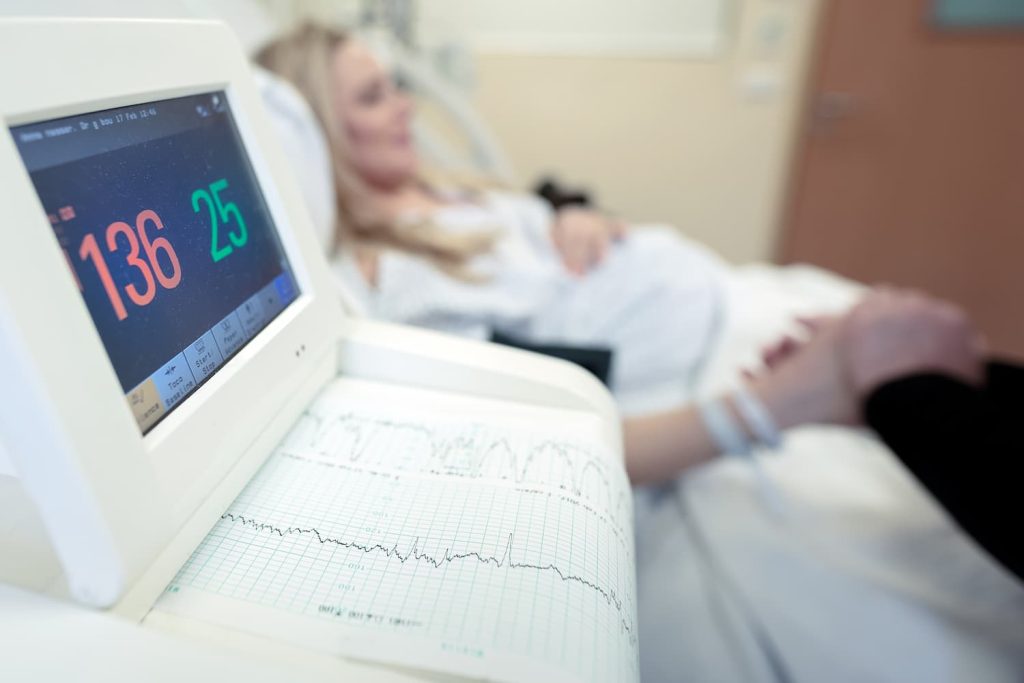
Monitor readings matter most when they are paired with symptoms. NHLBI lists possible arrhythmia symptoms such as palpitations, chest pain or discomfort, difficulty breathing, dizziness, fainting, tiredness, and weakness. It also advises seeking emergency medical care if symptoms are very serious, especially difficulty breathing or chest pain.
A concerning monitor situation may include:
- a very fast or very slow heart rate with symptoms
- an obviously irregular rhythm with dizziness or fainting
- a falling oxygen level with shortness of breath
- blood pressure changes along with weakness, chest discomfort, or confusion
Outside the hospital, repeated episodes of palpitations, skipped beats, dizziness, near fainting, chest discomfort, or unexplained shortness of breath are good reasons to schedule follow up care. NHLBI notes that arrhythmias are commonly diagnosed with an EKG, but longer term monitoring may be needed when symptoms come and go.
Final Thoughts
Learning how to read a hospital monitor can make a stressful situation feel more manageable. Once you understand the main values, the screen becomes much easier to follow. Heart rate, oxygen saturation, breathing rate, and blood pressure each tell an important part of the story, and the rhythm tracing adds another layer of useful information.
The most important takeaway is to use the monitor as a guide, not a diagnosis. Reading a heart rate monitor correctly means understanding the labels, recognizing general normal ranges, watching trends, and paying attention to symptoms. It also means letting qualified medical professionals interpret abnormal findings in context.
If you have ongoing heart rate concerns, palpitations, dizziness, shortness of breath, or questions about abnormal monitor readings, schedule an appointment with Tricord Medical Group primary care office in Miami, Florida. A careful evaluation can help determine whether the issue is a normal variation, a monitoring artifact, or a heart rhythm concern that needs further testing.
Frequently Asked Questions
What does the heart rate number on a hospital monitor mean?
The heart rate number shows how many times the heart beats in one minute. On many bedside screens, this appears as HR. MedlinePlus lists a normal resting adult pulse as about 60 to 100 beats per minute, but that range can shift with medications, pain, fever, hydration, activity, and heart conditions. The number is most useful when viewed together with symptoms and rhythm pattern, not by itself.
What are the most important numbers on a hospital monitor?
The most important values are usually heart rate, oxygen saturation, respiratory rate, and blood pressure. These are the main numbers on hospital monitor displays that help staff follow circulation, breathing, and overall stability. Some monitors also show a continuous ECG tracing so clinicians can watch heart rhythm activity over time.
How do you read heart rate and rhythm on the screen?
Start with the heart rate number, then look at the waveform to see whether the rhythm appears steady or irregular. An EKG records the heart’s electrical activity and can show how fast the heart is beating and whether the rhythm is regular, but MedlinePlus makes clear that abnormal findings often need additional interpretation and sometimes more testing. This is why learning how to read a heart rate monitor is really about recognizing patterns, not trying to diagnose the tracing yourself.
Why do monitor readings change so quickly?
Monitor values can shift because the body is changing, but they can also change because of movement, loose leads, cold skin, poor circulation, nail polish, tobacco use, or signal problems. The FDA and MedlinePlus both note that pulse oximeter readings have accuracy limitations under certain conditions. That is why clinicians often confirm an unexpected reading before assuming it reflects a true medical change.
When should someone schedule a doctor visit for monitor related concerns?
It is a good idea to schedule a visit if you keep having palpitations, dizziness, faint feelings, chest discomfort, shortness of breath, or repeated abnormal readings that you do not understand. NHLBI notes that arrhythmia symptoms can include chest pain, breathing difficulty, dizziness, fainting, tiredness, and weakness, and diagnosis may require an EKG or longer term monitoring. If you are in South Florida, Tricord Medical Group primary care office in Miami, Florida can help evaluate those symptoms and guide the next steps.
Why Preventative Primary Care in Miami Matters
Preventative primary care helps you stay ahead of illness with regular checkups and early detection.
Book an Appointment
Schedule an appointment with our trusted Miami primary care doctors